Monastery

Características

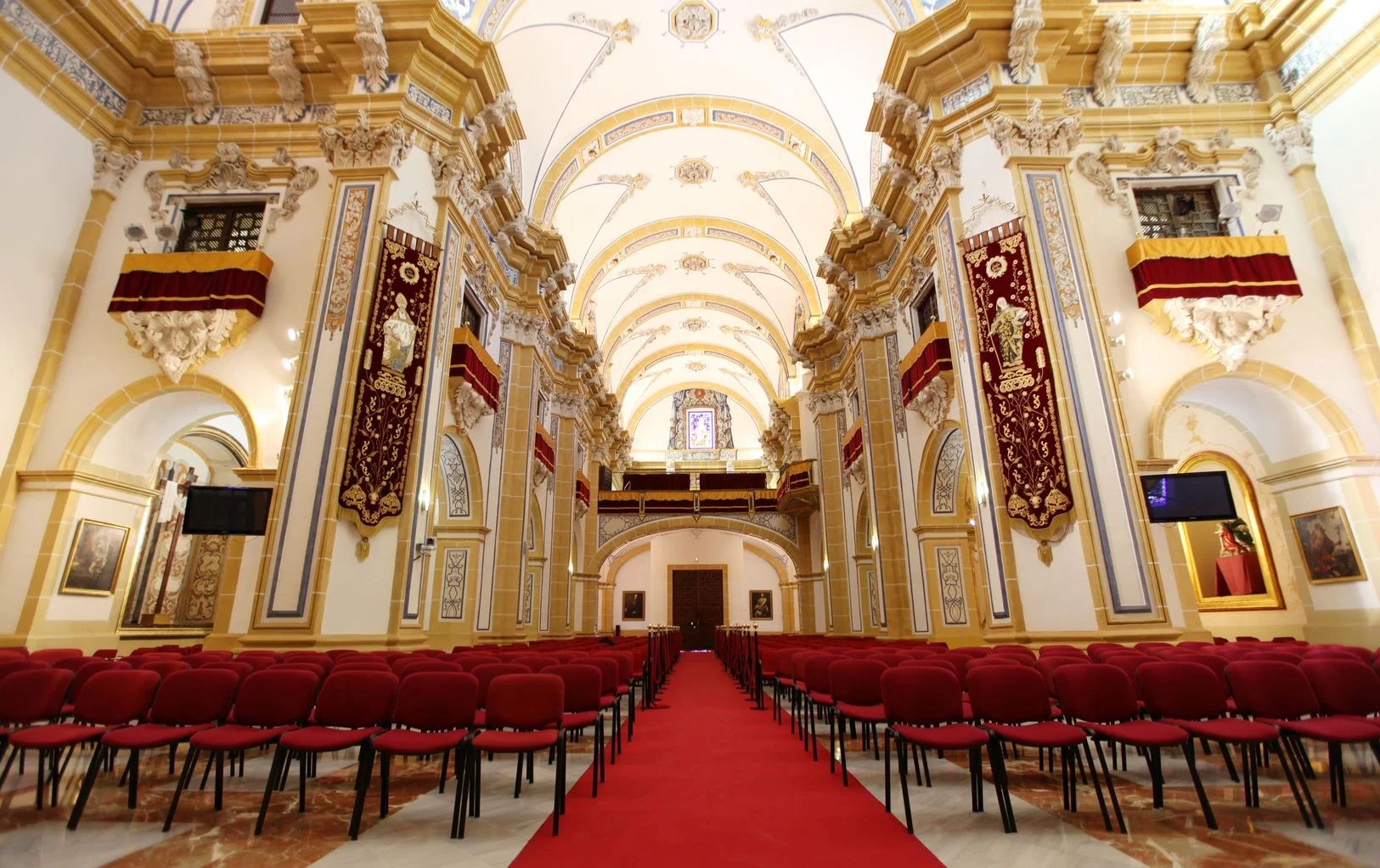
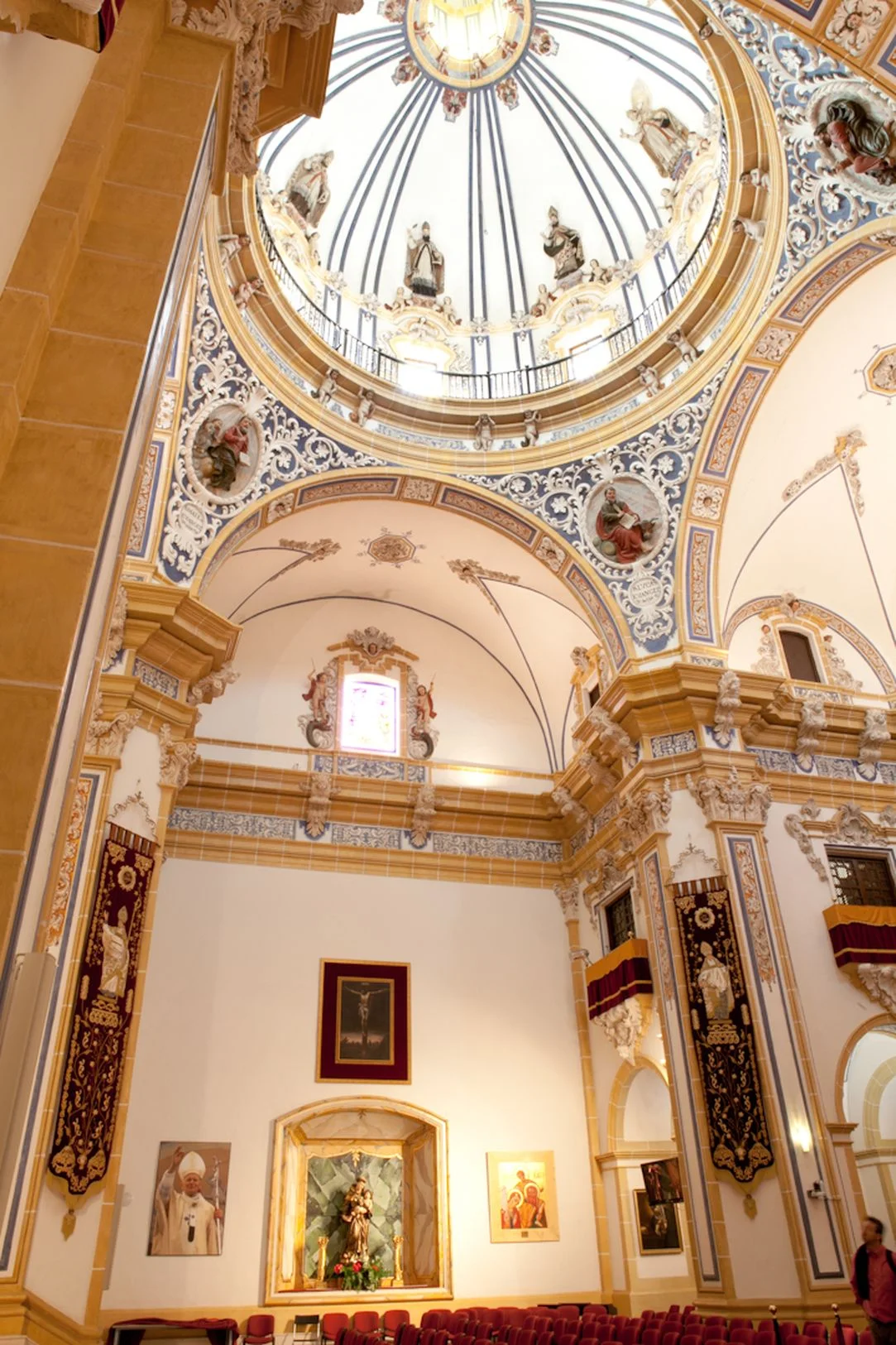
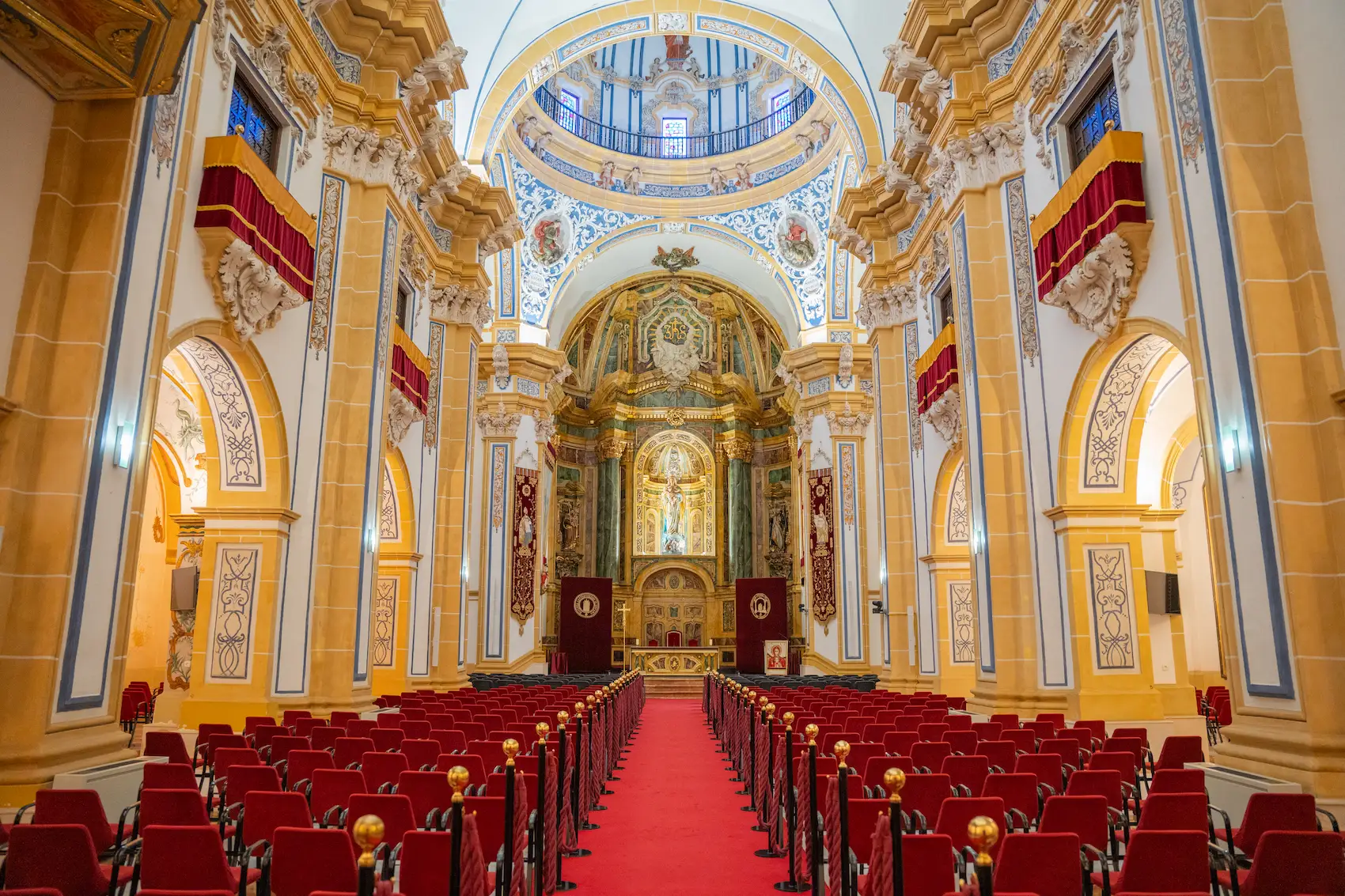
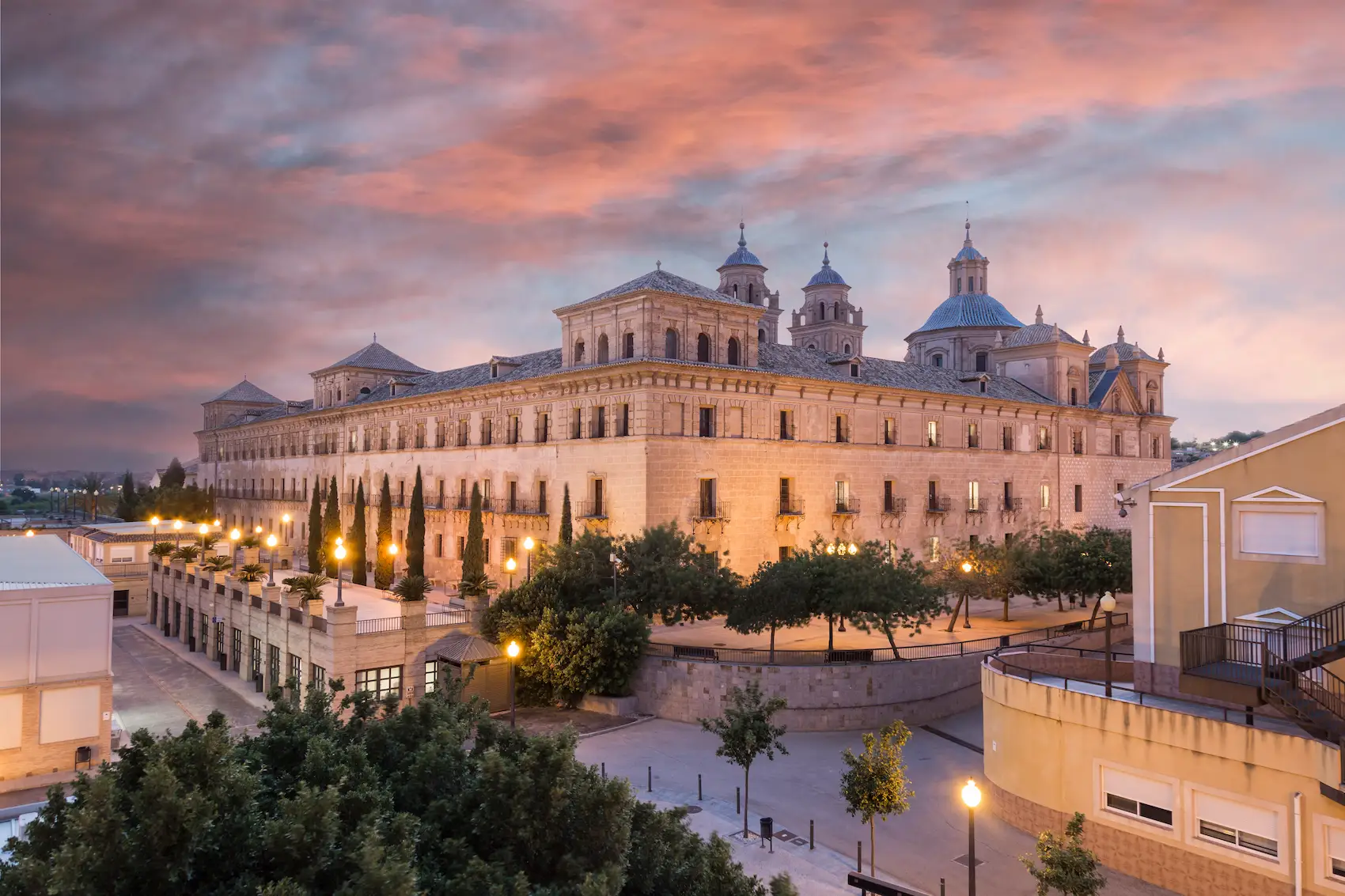
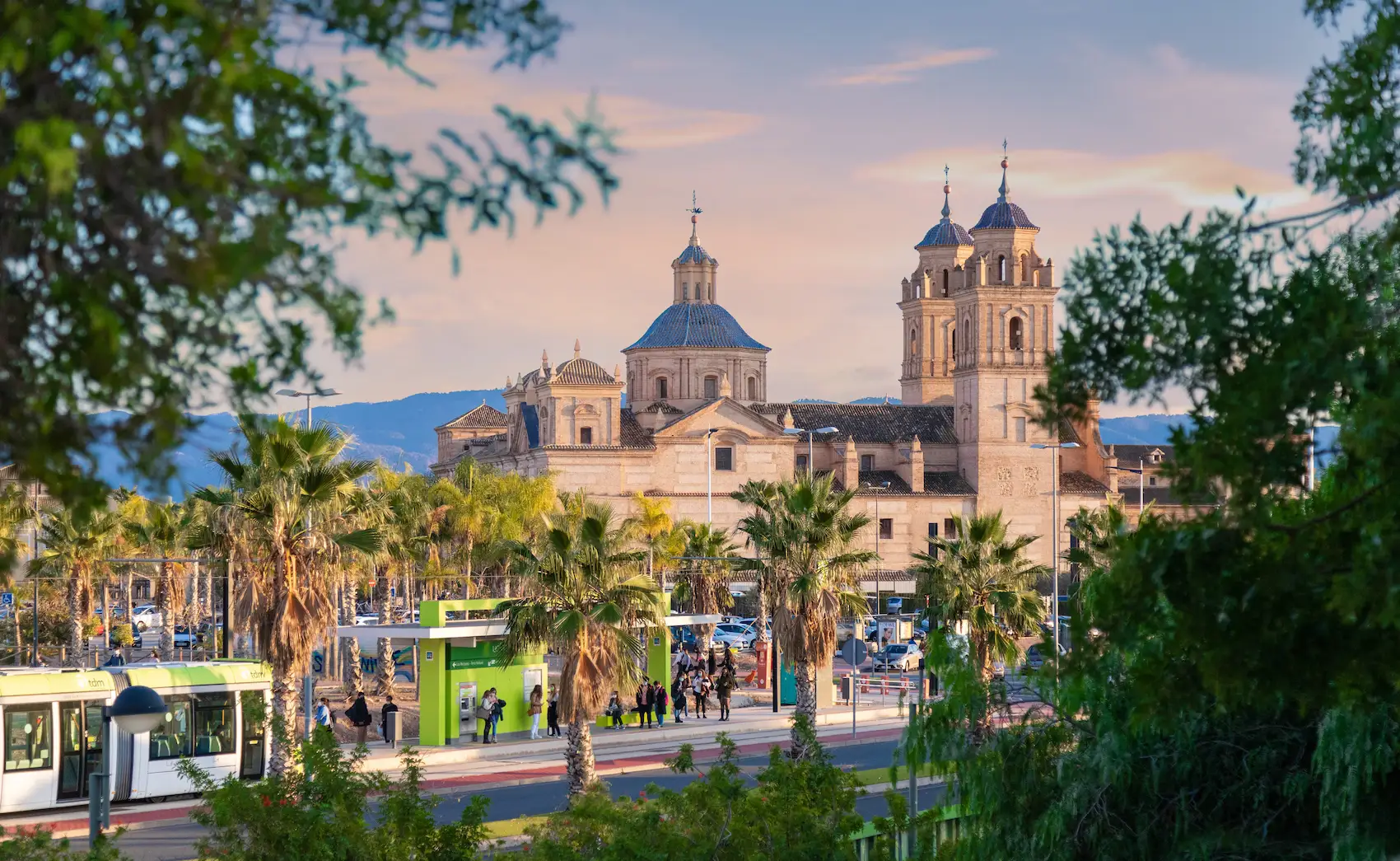
In the first half of the 18th century, Murcia experienced a significant architectural boom with the construction of the most emblematic churches in the region. Among them stands out the Church of the Jerónimos Monastery, the centerpiece of the monumental complex that today houses the UCAM and serves as a cultural and spiritual reference point for its surroundings.

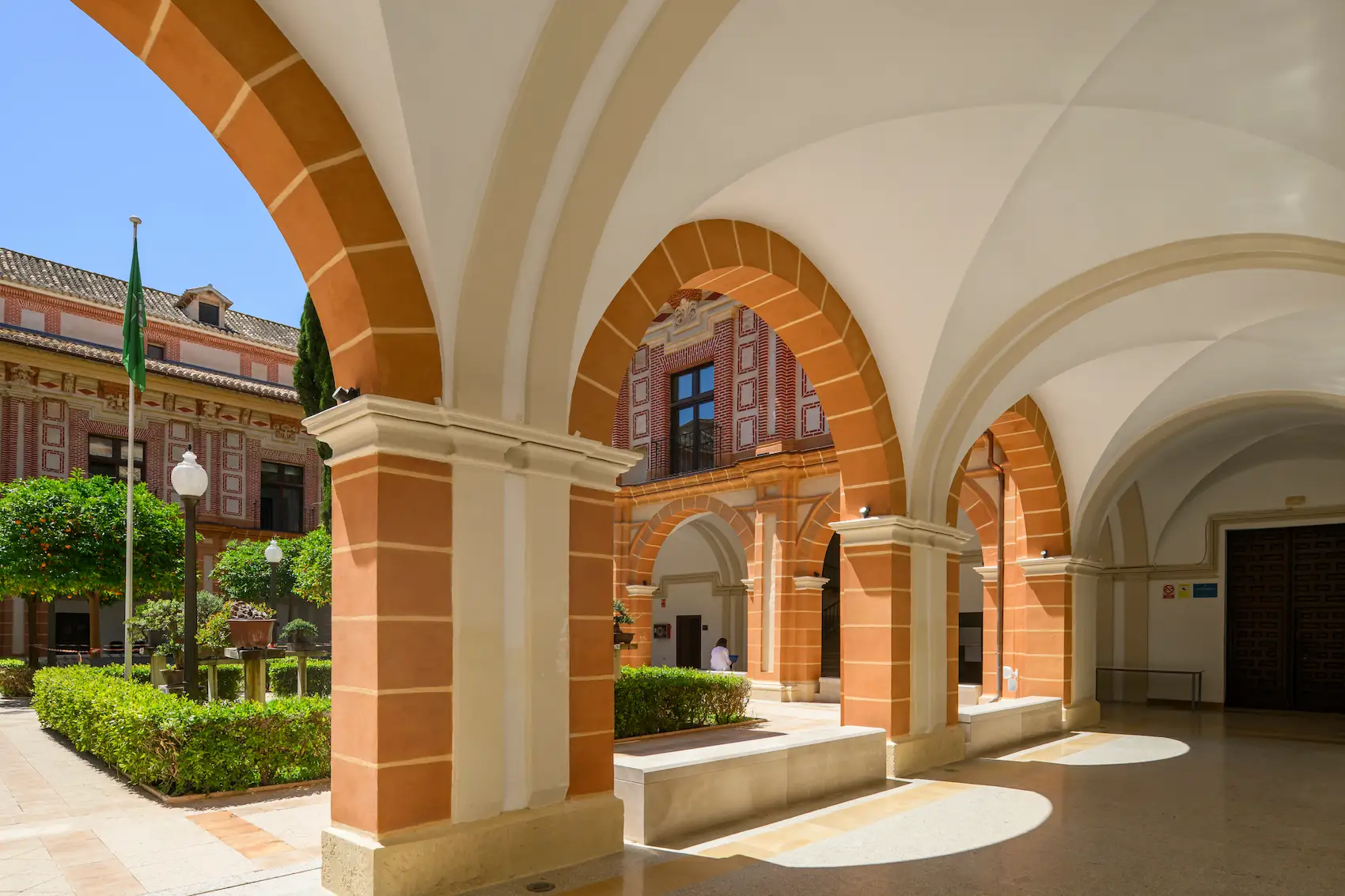
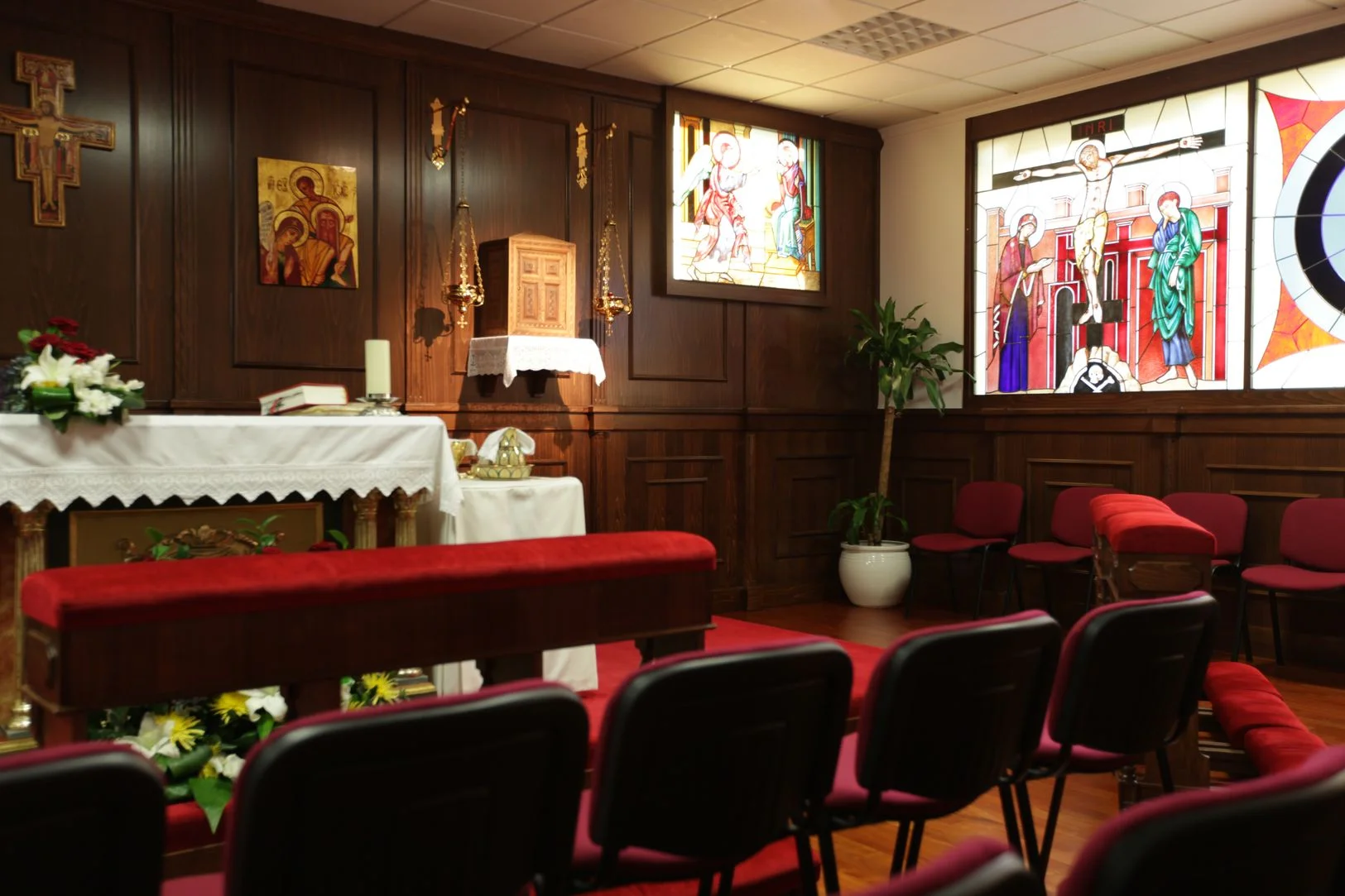
The church, located on the northwest side of the cloister, adheres to a Latin cross plan, with a central nave and two lateral naves featuring interconnected chapels. Its austere monastic façade contrasts with the interior, where Murcian baroque exhibits all its ornamental richness.

Prominent masters and artists such as Fray Antonio de San José and Fray Pedro de San Agustín, as well as renowned craftsmen like Juan García, known as “the Portuguese,” and José Balaguer, were involved in the decoration of the temple.


Historia

Although the church suffered significant losses during the Desamortization of Mendizábal and the Civil War, it still retains the mark of its original splendor and continues to be a living example of Baroque architecture in the Region of Murcia.

Usos

Today, the Monastery Church of the Jerónimos is not only a historical monument: it is also a place of meeting, reflection, and celebration. For the students of UCAM, it is part of a unique environment in Spain where history, faith, and knowledge coexist every day.
Características

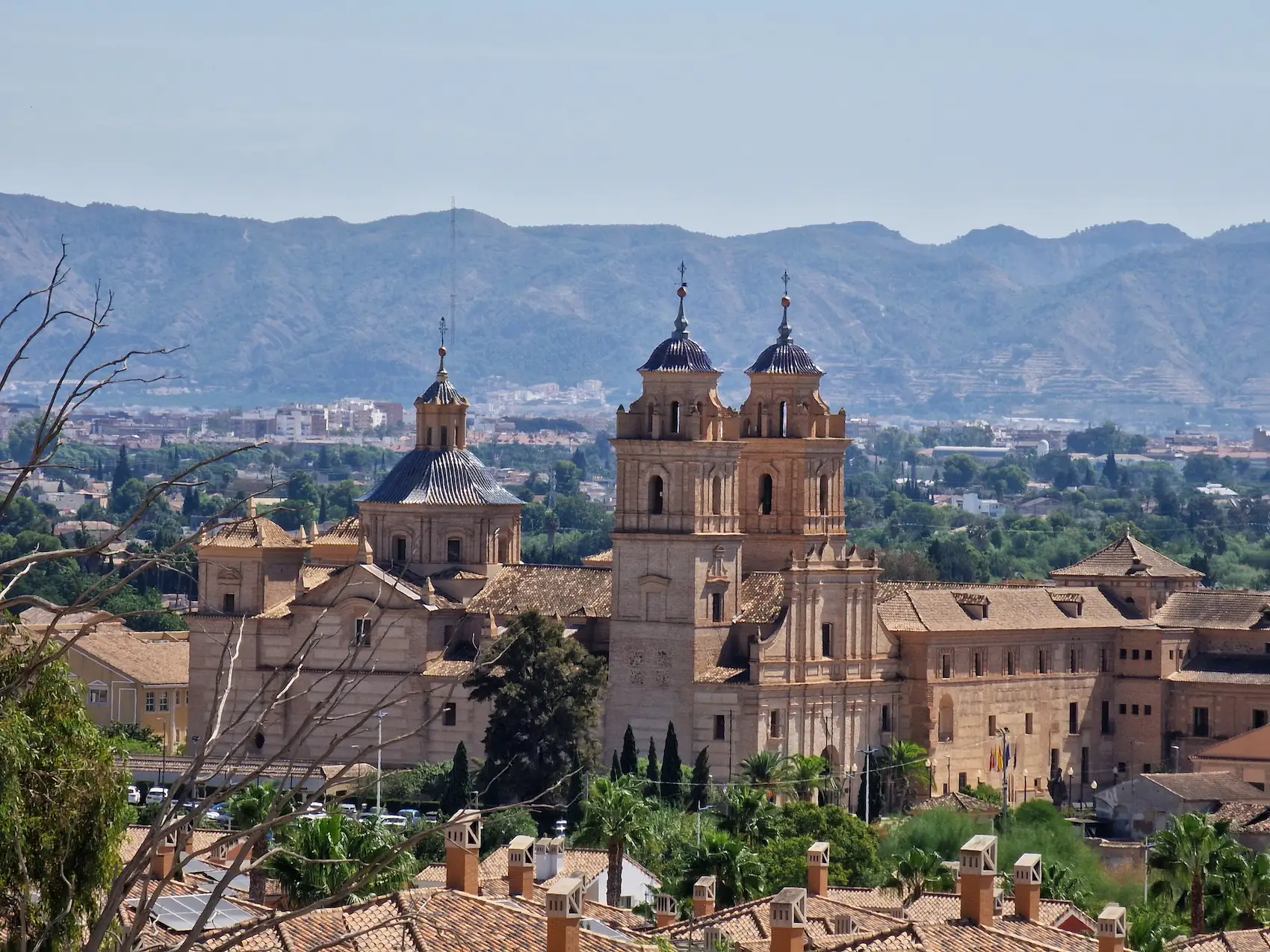
In the first half of the 18th century, Murcia experienced a significant architectural boom with the construction of the most emblematic churches in the region. Among them stands out the Church of the Jerónimos Monastery, the centerpiece of the monumental complex that today houses the UCAM and serves as a cultural and spiritual reference point for its surroundings.

The church, located on the northwest side of the cloister, adheres to a Latin cross plan, with a central nave and two lateral naves featuring interconnected chapels. Its austere monastic façade contrasts with the interior, where Murcian baroque exhibits all its ornamental richness.

Prominent masters and artists such as Fray Antonio de San José and Fray Pedro de San Agustín, as well as renowned craftsmen like Juan García, known as “the Portuguese,” and José Balaguer, were involved in the decoration of the temple.


Historia

Although the church suffered significant losses during the Desamortization of Mendizábal and the Civil War, it still retains the mark of its original splendor and continues to be a living example of Baroque architecture in the Region of Murcia.

Usos

Today, the Monastery Church of the Jerónimos is not only a historical monument: it is also a place of meeting, reflection, and celebration. For the students of UCAM, it is part of a unique environment in Spain where history, faith, and knowledge coexist every day.
Características

In the first half of the 18th century, Murcia experienced a significant architectural boom with the construction of the most emblematic churches in the region. Among them stands out the Church of the Jerónimos Monastery, the centerpiece of the monumental complex that today houses the UCAM and serves as a cultural and spiritual reference point for its surroundings.

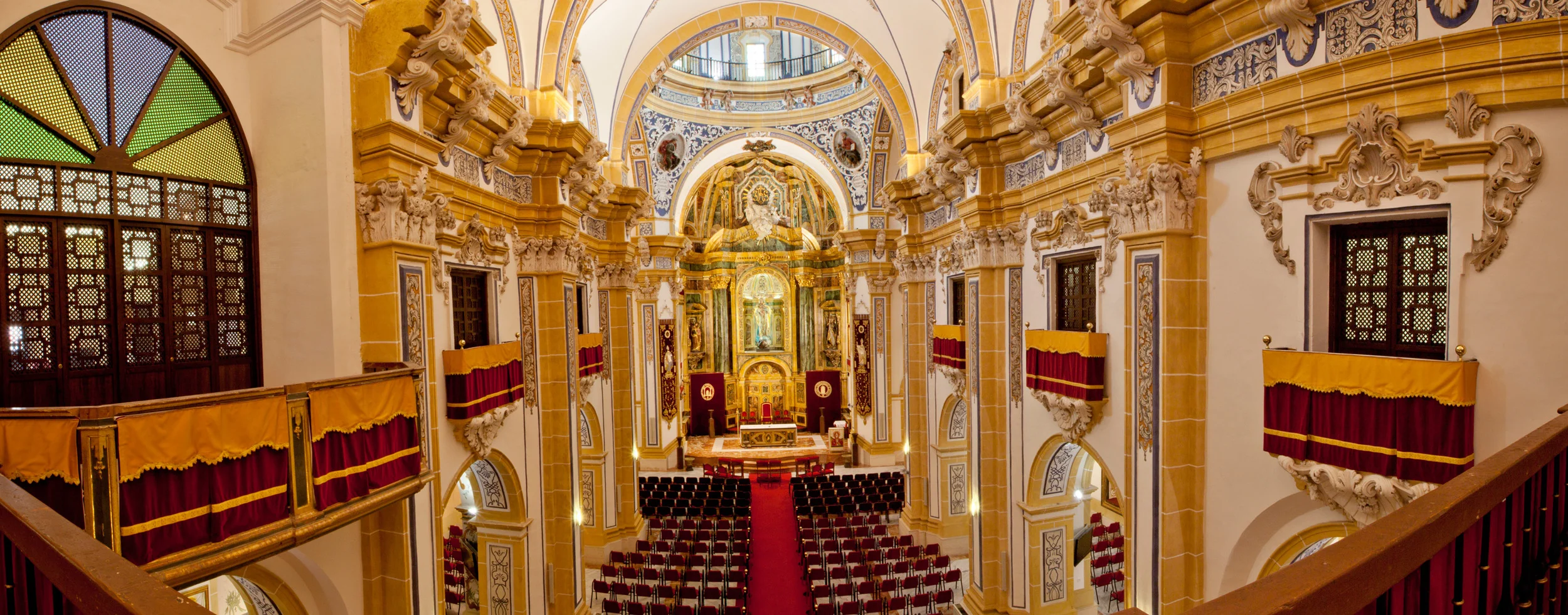
The church, located on the northwest side of the cloister, adheres to a Latin cross plan, with a central nave and two lateral naves featuring interconnected chapels. Its austere monastic façade contrasts with the interior, where Murcian baroque exhibits all its ornamental richness.

Prominent masters and artists such as Fray Antonio de San José and Fray Pedro de San Agustín, as well as renowned craftsmen like Juan García, known as “the Portuguese,” and José Balaguer, were involved in the decoration of the temple.


Historia

Although the church suffered significant losses during the Desamortization of Mendizábal and the Civil War, it still retains the mark of its original splendor and continues to be a living example of Baroque architecture in the Region of Murcia.

Usos

Today, the Monastery Church of the Jerónimos is not only a historical monument: it is also a place of meeting, reflection, and celebration. For the students of UCAM, it is part of a unique environment in Spain where history, faith, and knowledge coexist every day.
Monastery

Monastery

Monastery

More facilities