Veterinary Clinical Simulation Operating Room

Characteristics

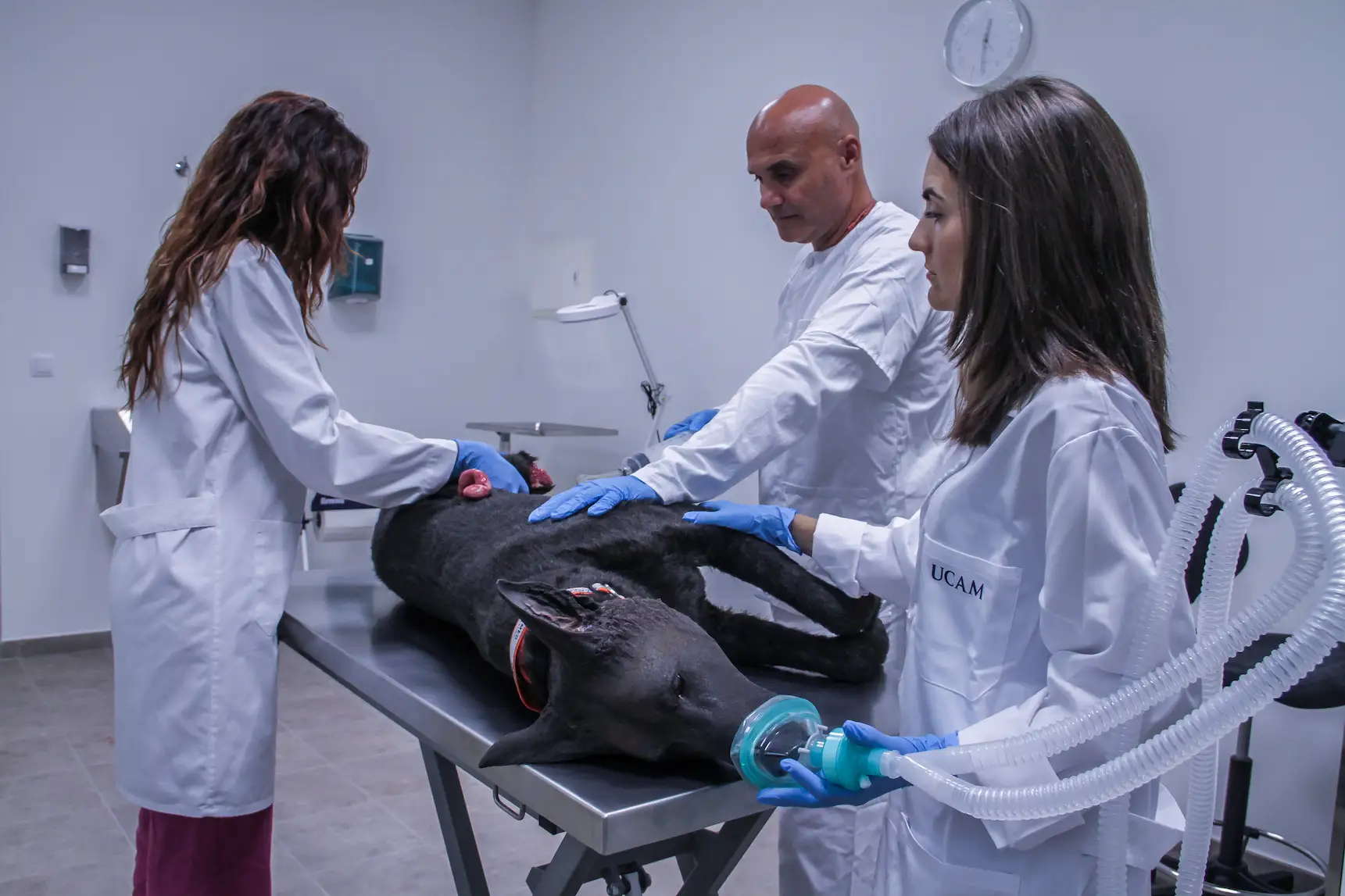
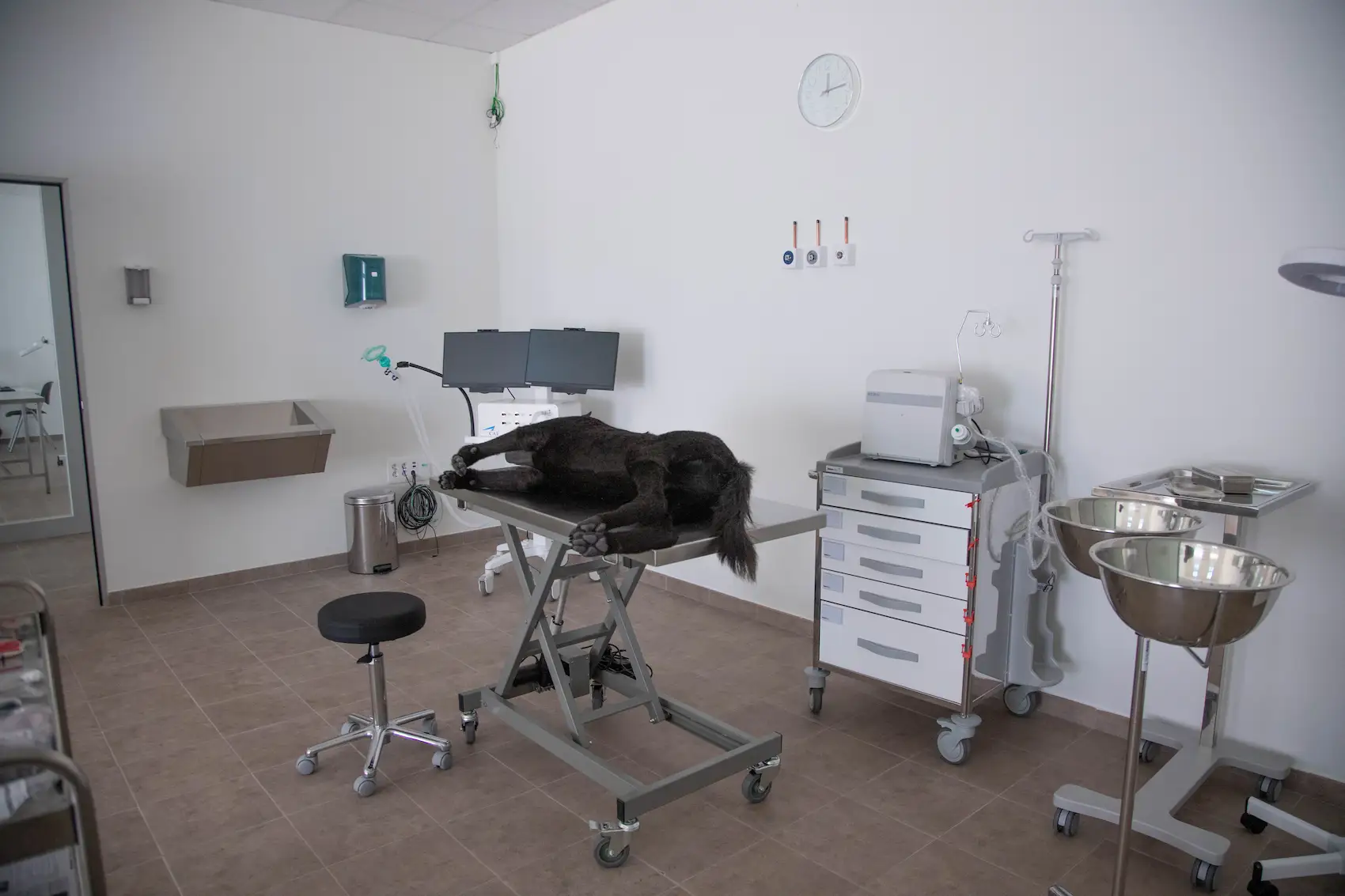
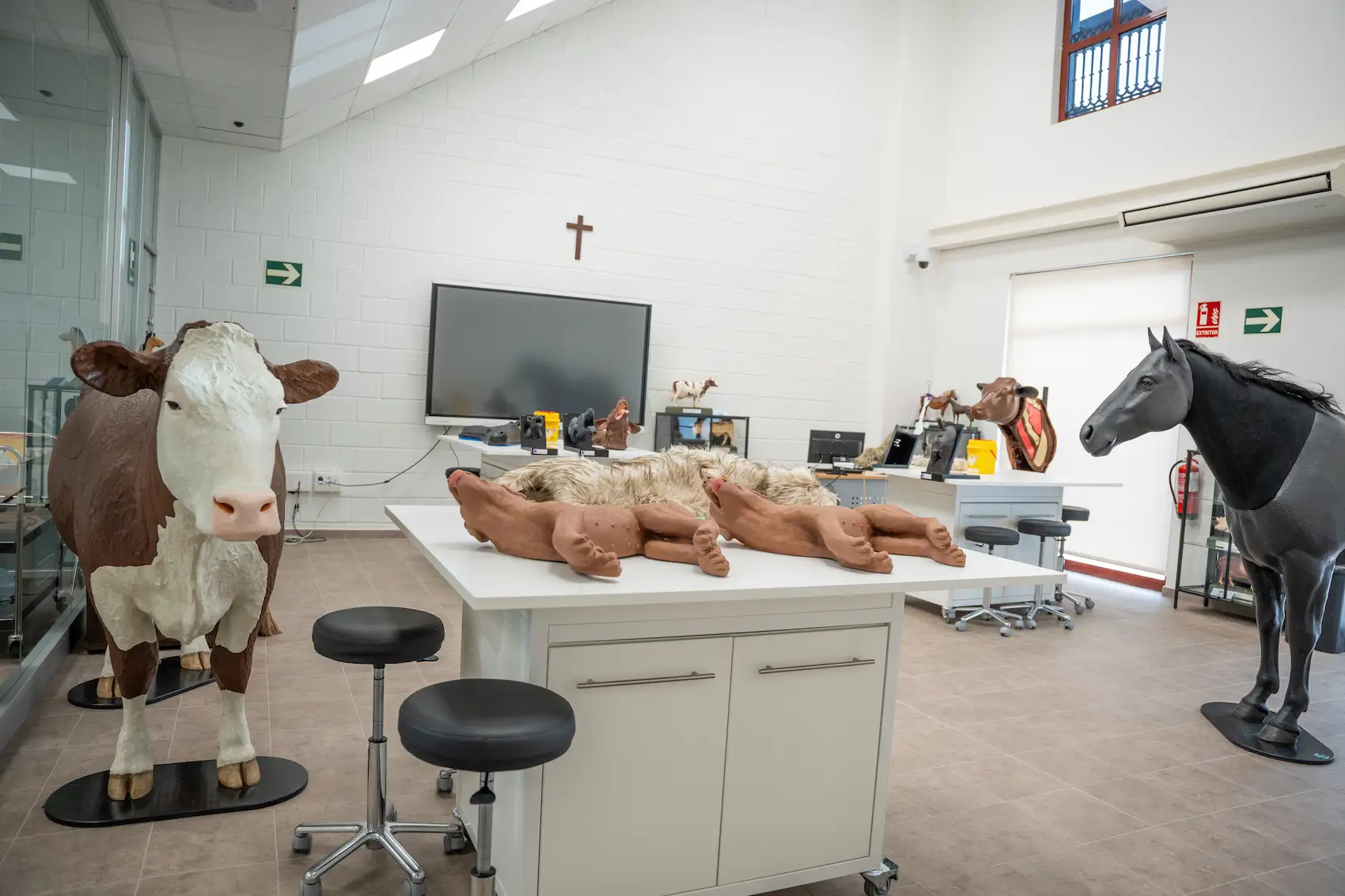
The room features high-fidelity veterinary clinical simulators that realistically reproduce the anatomical and physiological conditions of different animal species.
The highlight is the K9 Diesel canine simulator, unique in Europe, developed in collaboration with the U.S. Department of Defense, which reproduces real functions such as breathing, pulse, or response to treatments. The room also includes simulators for bovine dystocia, equine rectal palpation, and intubation and anesthesia, among others, allowing for precise training in an ethical and safe environment.

Benefits for the student

The student learns by practicing in real clinical scenarios without using live animals, developing technical skills, safety, and decision-making abilities. This practical and ethical training prepares the future veterinarian to competently intervene in emergencies, anesthesia, resuscitation, and diagnosis, reinforcing their employability and professional excellence.

Degrees that use this room

Primarily, the Bachelor's Degree in Veterinary Medicine, in subjects such as Physiology, Medical Pathology, Veterinary Anesthesia, and Anatomy and Physiology of the Respiratory and Cardiovascular Systems.
Characteristics

The room features high-fidelity veterinary clinical simulators that realistically reproduce the anatomical and physiological conditions of different animal species.
The highlight is the K9 Diesel canine simulator, unique in Europe, developed in collaboration with the U.S. Department of Defense, which reproduces real functions such as breathing, pulse, or response to treatments. The room also includes simulators for bovine dystocia, equine rectal palpation, and intubation and anesthesia, among others, allowing for precise training in an ethical and safe environment.

Benefits for the student

The student learns by practicing in real clinical scenarios without using live animals, developing technical skills, safety, and decision-making abilities. This practical and ethical training prepares the future veterinarian to competently intervene in emergencies, anesthesia, resuscitation, and diagnosis, reinforcing their employability and professional excellence.

Degrees that use this room

Primarily, the Bachelor's Degree in Veterinary Medicine, in subjects such as Physiology, Medical Pathology, Veterinary Anesthesia, and Anatomy and Physiology of the Respiratory and Cardiovascular Systems.
Characteristics

The room features high-fidelity veterinary clinical simulators that realistically reproduce the anatomical and physiological conditions of different animal species.
The highlight is the K9 Diesel canine simulator, unique in Europe, developed in collaboration with the U.S. Department of Defense, which reproduces real functions such as breathing, pulse, or response to treatments. The room also includes simulators for bovine dystocia, equine rectal palpation, and intubation and anesthesia, among others, allowing for precise training in an ethical and safe environment.

Benefits for the student

The student learns by practicing in real clinical scenarios without using live animals, developing technical skills, safety, and decision-making abilities. This practical and ethical training prepares the future veterinarian to competently intervene in emergencies, anesthesia, resuscitation, and diagnosis, reinforcing their employability and professional excellence.

Degrees that use this room

Primarily, the Bachelor's Degree in Veterinary Medicine, in subjects such as Physiology, Medical Pathology, Veterinary Anesthesia, and Anatomy and Physiology of the Respiratory and Cardiovascular Systems.
Veterinary Clinical Simulation Operating Room

Veterinary Clinical Simulation Operating Room

Veterinary Clinical Simulation Operating Room

More facilities